
Artificial intelligence and machine learning dominate today’s digital marketing landscape. These technologies reshape how businesses approach search optimization, content creation, and customer engagement.
Most marketers use AI and ML terms interchangeably. This creates confusion about what each technology offers and how it impacts SEO strategies.
Understanding the real differences helps SEO experts make better decisions about tool selection, campaign optimization, and client results.
What is Artificial Intelligence (AI)?
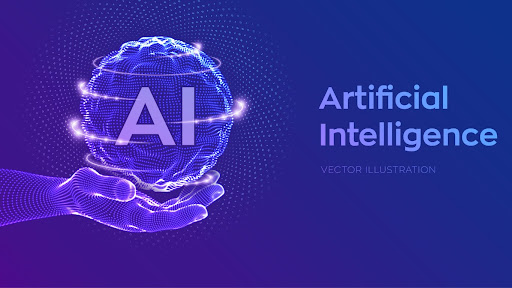
Artificial Intelligence refers to computer systems that perform tasks typically requiring human intelligence. These systems can reason, learn, perceive, and make decisions.
AI encompasses multiple approaches:
- Rule-based expert systems
- Natural language processing
- Computer vision
- Robotics and automation
- Machine learning algorithms
AI in Digital Marketing:
AI SEO tools analyze search patterns, optimize content, and predict ranking factors. These systems help marketers understand user intent and create targeted campaigns.
Popular AI applications include chatbots, recommendation engines, and automated content generation tools that enhance user experience and engagement.
What is Machine Learning (ML)?

Machine Learning is a subset of AI that enables computers to learn and improve from data without explicit programming for each task.
ML works through pattern recognition:
- Algorithms analyze large datasets
- Systems identify trends and correlations
- Models make predictions on new data
- Performance improves with more information
Cloud ML Platforms:
AWS machine learning services provide scalable infrastructure for training and deploying ML models. Azure machine learning offers similar capabilities with integrated development tools.
These platforms enable businesses to implement ML solutions without building infrastructure from scratch.
AI vs ML: Core Difference
What is the main difference between AI and ML?
AI is the broader concept of creating intelligent machines. ML is one specific method of achieving AI through data-driven learning.
Think of AI as the umbrella term and ML as one of the tools underneath it.
What is an example of AI vs ML?
AI example: A rule-based chatbot that follows predetermined conversation flows to answer customer questions.
ML example: A recommendation system that learns from user behavior to suggest relevant products or content.
What is an example of AI but not ML?
Traditional SEO tools that follow programmed rules represent AI without ML. These systems analyze websites using predetermined criteria but don’t learn from new data.
Expert systems in medical diagnosis also use AI logic without ML learning capabilities.
How AI and ML Transform SEO?
AI for SEO Applications:
- Content Optimization:
AI tools for SEO analyze top-ranking content to identify optimization opportunities. These systems suggest keyword placement, content length, and structural improvements. - Technical SEO:
AI systems crawl websites to identify technical issues like broken links, slow-loading pages, and mobile compatibility problems. - Keyword Research:
AI analyzes search trends, competition levels, and user intent to suggest high-value keyword opportunities.
ML in SEO Strategy:
- Ranking Prediction:
ML models analyze ranking factors to predict which content will perform well in search results. These insights help SEO experts prioritize optimization efforts. - User Behavior Analysis:
ML systems track user interactions to understand engagement patterns. This data informs content strategy and website improvements. - Personalization:
ML algorithms customize search results and content recommendations based on individual user preferences and behavior history.
Relationship Between AI and ML
Can AI exist without ML?
Yes, AI existed before ML became prominent. Early AI systems used symbolic reasoning, expert systems, and rule-based approaches without learning from data.
Is ML used to train AI?
ML is one method for creating AI systems. Training involves feeding algorithms large datasets so they can identify patterns and make predictions.
In what way are AI and ML related?
ML is a subset of AI. All ML systems are AI, but not all AI systems use ML. ML provides a powerful approach for creating intelligent systems that improve through experience.
Can AI and ML work together?
Modern AI SEO platforms combine ML learning with traditional AI logic. For example, content optimization tools use ML to analyze performance data while employing AI rules for technical recommendations.
Types of AI and ML
Types of AI
- Reactive Machines:
These systems respond to current situations without memory. Basic SEO audit tools that check specific criteria fall into this category. - Limited Memory:
These AI systems use recent data to inform decisions. AI for SEO tools that track ranking changes over time use this approach. - Theory of Mind:
This theoretical AI type would understand user emotions and motivations. Current SEO tools don’t achieve this level of understanding. - Self-Aware AI:
The most advanced theoretical type that would possess consciousness. This remains beyond current technology capabilities.
Types of ML
- Supervised Learning:
Algorithms learn from labeled training data. SEO tools use this method to predict ranking factors based on historical performance data. - Unsupervised Learning:
Systems find patterns without labeled examples. Keyword clustering tools use this approach to group related search terms. - Reinforcement Learning:
Algorithms learn through trial and error with rewards and penalties. Automated bidding systems in paid search use this method. - Semi-Supervised Learning:
Combines labeled and unlabeled data for training. This approach works well when comprehensive SEO data is expensive to obtain.
Cloud Platforms for AI and ML
AWS Machine Learning Services:
- Amazon SageMaker:
Provides tools for building, training, and deploying ML models. SEO experts use these services for large-scale data analysis and prediction modeling. - Amazon Comprehend:
Offers natural language processing capabilities for content analysis and sentiment detection. - Amazon Rekognition:
Provides image and video analysis for visual content optimization. - Azure Machine Learning Platform:
- Azure ML Studio:
Offers a drag-and-drop interface for building ML models without extensive coding knowledge. - Azure Cognitive Services:
Provides pre-built AI capabilities, including text analysis, translation, and speech recognition. - Azure Bot Service:
Enables creation of intelligent chatbots for customer service and engagement.
Evolution and Origins
What came first, ML or AI?
AI came first. The term “artificial intelligence” was coined in 1956. Machine learning emerged later as researchers sought ways to make computers learn without explicit programming.
Who invented AI?
John McCarthy coined the term “artificial intelligence” and organized the foundational Dartmouth Conference. However, AI represents collective work from many researchers.
The field evolved through contributions from Alan Turing, Marvin Minsky, and Herbert Simon, among others.
Working Mechanisms
How does AI work?
AI systems process information, make decisions, and take actions to achieve specific goals. The approach varies by AI type:
- Rule-based systems follow programmed logic
- ML systems learn patterns from data
- Expert systems apply domain knowledge
- Neural networks mimic brain-like processing
What is an AI model?
An AI model is a mathematical representation trained to perform specific tasks. Models can be rule-based decision trees, statistical algorithms, or complex neural networks.
AI tools for SEO use various model types depending on their function, from simple keyword analysis to complex content generation.
Real-World Impact and Challenges
How will AI affect SEO jobs?
AI will transform rather than eliminate SEO roles. SEO experts who adapt by learning AI-complementary skills will thrive in the evolving landscape.
New positions will emerge in AI tool management, data analysis, and strategic AI implementation for search optimization.
What is the biggest problem with AI in SEO?
Over-reliance on AI without human oversight represents the biggest risk. AI systems can make mistakes or miss nuanced context that human experts would catch.
Other challenges include data privacy concerns, algorithm transparency, and the need for continuous model updates.
Popular AI Tools for SEO:
Thousands of AI tools for SEO exist across different categories:
- Content optimization platforms
- Technical SEO analyzers
- Keyword research tools
- Rank tracking systems
- Link building assistants
The number grows rapidly as new applications emerge in search optimization and digital marketing.
Choosing the Right Technology

When to Use AI vs ML for SEO:
Choose AI-based tools when:
- You need rule-based analysis
- Quick implementation is required
- Specific criteria need checking
- Consistent results are important
Choose ML-based solutions when:
- Large datasets need analysis
- Predictive insights are valuable
- Personalization is required
- Continuous improvement is needed
Combining Both Approaches:
Modern AI SEO platforms often combine both technologies. ML handles pattern recognition and prediction while AI logic manages rule-based optimization recommendations.
Conclusion
Artificial intelligence and machine learning represent different but complementary approaches to search optimization. AI provides a broader framework for intelligent systems, while ML offers specific learning capabilities.
Understanding these differences helps SEO experts choose the right tools and strategies for their clients. Both technologies will continue evolving, creating new opportunities for search optimization and digital marketing success.
The key is staying informed about developments while focusing on practical applications that improve search performance and user experience.
Success in the AI-driven SEO landscape requires understanding not just the technology, but also its limitations, ethical implications, and impact on search strategies.
FAQ’S
1. Why do marketers confuse AI and ML?
Marketers often mix up AI and ML because both automate tasks. However, AI uses logic or rules while ML learns from data. Knowing their unique strengths helps you pick better tools and boost your digital results.
2. What skills are needed to use ML in marketing?
Basic analytics understanding helps, plus knowing how to use pre-built ML tools or platforms like AWS and Azure. Coding knowledge is optional for most marketers thanks to user-friendly ML interfaces.
3. Is ML only for big companies?
No! Small businesses can use ML platforms like Google Cloud or Azure to automate data analysis and personalize marketing—even with limited resources.
4. How does AI help SEO specialists save time?
AI quickly finds technical issues, analyzes ranking factors, and suggests improvements—saving specialists from manual work and allowing more focus on content strategy and creative tasks.
5. What are the risks of using only AI tools in SEO?
Over-reliance on AI means missing context, making costly mistakes, or overlooking new SEO trends. The best results come from mixing AI-powered automation with human expertise.
Related Posts

How to Choose the Best SEO Audit Service for Your Website?
What an SEO audit Services entails is a thorough examination…

Local SEO: Rank Locally, Convert Visitors Fast
Your business serves local customers, but they can't find you…
How is AI changing SEO in 2025? And How You Can Keep Up
The world of digital marketing is changing fast, due to…